
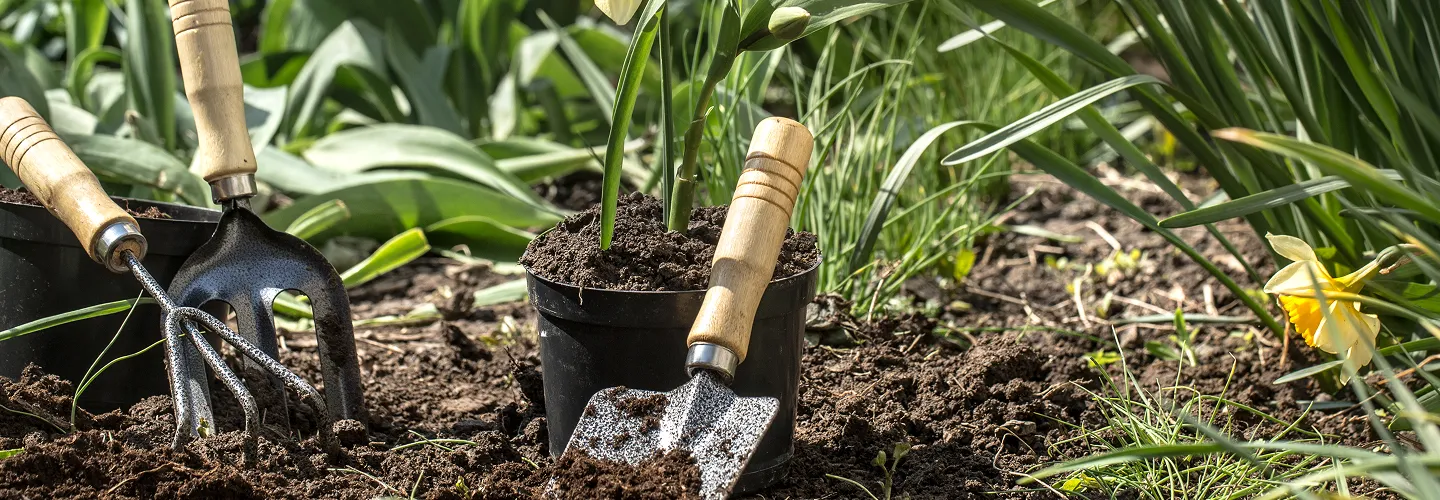
Jourdanton Flower Planting Services
Choose our flower planting services for vibrant, expertly arranged blooms that enhance your curb appeal and thrive in the Jourdanton climate—bringing lasting beauty to your home or business.
Get a Free QuoteOur Jourdanton Landscaping & Yard Care Services
When to Schedule Flower Planting in Jourdanton, Texas – Seasonal Guide
In Jourdanton, Texas, timing your flower planting is crucial for vibrant, long-lasting blooms. The region’s warm climate and unique soil composition—ranging from sandy loam to clay—mean that early spring and late fall are generally the best windows for planting. Local neighborhoods like Oak Hollow and the area near Atascosa River Park often experience mild winters, but late frosts can still occur through early March, so it’s wise to monitor local frost dates before planting tender annuals.
Humidity levels and drought risk are also important considerations. Jourdanton’s summers can be hot and dry, making supplemental watering essential, especially in areas with limited shade or near landmarks like the Jourdanton City Hall. Soil drainage and sun exposure vary across the city, so assessing your property’s microclimate is key. For more detailed local climate data, consult resources like the Sudbury municipal site.
Local Factors to Consider for Flower Planting in Jourdanton
- Proximity to mature trees and resulting shade coverage
- Soil type and drainage (sandy, clay, or loam)
- Average precipitation and drought risk
- Frost dates and seasonal temperature swings
- Terrain slope and erosion potential
- Municipal watering restrictions or guidelines
Benefits of Flower Planting in Jourdanton
Expert Local Knowledge
Customized Landscape Designs
Seasonal Plant Selection
Enhanced Curb Appeal
Eco-Friendly Practices
Reliable Maintenance Services
Jourdanton Flower Planting Types

Annual Flower Beds
-
Perennial Garden Design
-
Native Wildflower Plantings
-
Seasonal Color Displays
-
Pollinator-Friendly Gardens
-
Shade-Loving Flower Arrangements
-
Drought-Tolerant Flower Selections
Our Flower Planting Process
Site Evaluation
Soil Preparation
Plant Selection
Careful Planting
Watering and Mulching
Why Choose Jourdanton Landscape Services
-
Jourdanton Homeowners Trust Us
-
Expert Lawn Maintenance
-
Reliable Scheduling
-
Competitive Pricing
-
Professional Team
-
Satisfaction Guarantee
-
Personalized Service
Soil Series and Drainage Considerations for Flower Planting in Jourdanton
Jourdanton’s predominant soils, as identified by the USDA Web Soil Survey, include Houston Black clay and Ferris clay, both classified as Vertisols with high clay content and notable shrink-swell capacity. These soils are typically alkaline (pH 7.5-8.2) and exhibit slow drainage, which can lead to waterlogging during heavy rainfall. For successful flower planting, it is recommended to incorporate 2-3 inches of compost tilled to a 6-inch depth to improve structure and drainage. Soil testing through Texas A&M AgriLife Extension (typical cost: $15-25) is advised to determine amendment needs. Key soil management steps include:
- Compost incorporation: 2-3 inches tilled to 6-inch depth
- Lime application only if pH below 6.0 (rare in Jourdanton)
- Raised beds for areas with persistent drainage issues
- Avoid planting in low-lying spots prone to standing water
Optimal Flower Planting Windows and Climate Zone Guidance for Jourdanton
Jourdanton is located in USDA Hardiness Zone 8b, with average annual minimum temperatures of 15-20°F. The local climate features hot, dry summers and mild winters, making spring and fall the most favorable periods for flower planting. According to the National Weather Service Austin/San Antonio Office, optimal planting windows are:
- Spring: March 1 – April 15 (soil temp 60-70°F)
- Fall: September 15 – October 31 (before first frost) Avoid planting during peak summer (June-August) due to heat stress and increased irrigation needs. For weather monitoring and frost advisories, consult the National Weather Service. Recommended timing practices:
- Monitor soil temperature with a probe before planting
- Schedule irrigation early morning to reduce evaporation
- Mulch beds to retain soil moisture during dry spells
Native and Drought-Tolerant Flower Species Selection for Jourdanton Landscapes
Selecting species adapted to Jourdanton’s climate and soils is essential for sustainable flower planting. Native and drought-tolerant perennials reduce water use and maintenance. The following species are well-suited for local conditions:
- Full sun: Black-eyed Susan (Rudbeckia hirta), Mexican hat (Ratibida columnifera), purple coneflower (Echinacea purpurea)
- Partial shade: Turk’s cap (Malvaviscus arboreus), cedar sage (Salvia roemeriana)
- Deer resistant: Autumn sage (Salvia greggii), mealy blue sage (Salvia farinacea)
- Pollinator-friendly: Gregg’s mistflower (Conoclinium greggii), winecup (Callirhoe involucrata) Spacing should be 12-18 inches for most perennials. For additional guidance, refer to Texas A&M AgriLife Extension plant selection resources. Avoid invasive species and confirm plant suitability for alkaline soils.
Municipal Coordination and Flower Bed Installation Standards in Jourdanton
All flower bed installations in Jourdanton must comply with municipal ordinances regarding property setbacks, right-of-way encroachments, and stormwater management. The city typically requires a 5-foot setback from sidewalks and prohibits planting within 25 feet of intersections to maintain sightlines. Debris from planting activities must be disposed of according to city guidelines:
- Yard waste collection: Thursdays, April–November
- Accepted: Plant trimmings, leaves, brush under 4 feet
- Containers: Biodegradable bags or 32-gallon bins
- Prohibited: Plastic bags, branches over 4 inches diameter For permit requirements or clarification on planting near public infrastructure, coordinate with the Department of Public Works.
Department of Public Works
1604 TX-97 E, Jourdanton, TX 78026
Phone: (830) 769-3589
Official Website: Department of Public Works
The department enforces local standards and provides guidance on compliance with city codes.
Environmental Compliance: Stormwater, Buffer Zones, and State Regulations
Flower planting in Jourdanton must adhere to environmental regulations designed to protect local waterways and comply with the Texas Water Code and Clean Water Act. The city’s MS4 permit prohibits soil, mulch, or plant debris from entering storm drains. Key compliance steps include:
- Maintain a 25-foot no-disturbance buffer from wetlands or drainage ditches
- Prohibit fertilizer or pesticide application within 50 feet of water bodies
- Use erosion control (e.g., silt fences) on slopes or near stormwater inlets
- Collect and properly dispose of all planting debris For questions on environmental compliance, contact the Texas Commission on Environmental Quality.
Texas Commission on Environmental Quality
12100 Park 35 Circle, Austin, TX 78753
Phone: (512) 239-1000
Official Website: Texas Commission on Environmental Quality
What Neighborhoods Do We Serve Throughout Jourdanton, TX?
- Downtown Jourdanton: Features older homes with compacted soils and limited green space, requiring raised beds and careful plant selection for successful flower establishment.
- Oak Hollow: Characterized by mature oak trees, partial shade, and alkaline clay soils; deer-resistant and shade-tolerant species are recommended.
- South Ridge Estates: Newer development with larger lots and improved drainage, allowing for a wider range of perennial and annual flower options.
- Westview Acres: Proximity to Atascosa River floodplain necessitates attention to drainage and buffer zone compliance for all planting activities.
- Heritage Park: Community park area with public flower beds subject to city maintenance standards and regular municipal inspections.
- Northside Residential: Sloped lots and shallow soils require erosion control measures and drought-tolerant plantings to prevent runoff.
- Mission Oaks: Gated community with HOA landscaping guidelines, including restrictions on plant height and species selection for uniformity and safety.